Chashmai- Ayub .
Hello dears 🤗
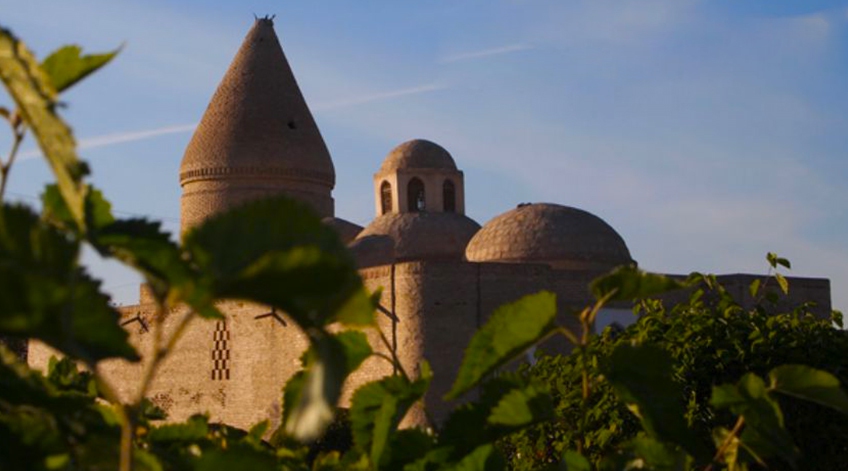
How are you? I'm very glad I see you. Today the 4th day of our practice took place. Today's practice was planned at the Chashmayi-Ayub mausoleum at 10 o'clock. Because of the destination's far some of our course-mates were late. So was I . But they were waiting us . First of all our teacher Inobat Zoirovna inspected our diaries and we began our practice.


Now I'm going to give information about this place
According to ancient legends that for centuries live on the land of magical Bukhara, the Chashma-Ayub well, above which the mausoleum was later built, appeared by the will of Saint Job long before the birth of Christ. Traveling across Bukhara, he heard the prayers of local residents who were tormented by thirst, struck his staff on the ground scorched by the sun, and a well with cold and crystal clear water immediately appeared in it, near which travelers could have a rest during many subsequent centuries. People called their savior in Arabic manner — Ayub.
Travelers from different countries who come to this holy place, where, as people say, the innermost dreams come true, are taken by a guide to the distant past, in those days when the inhabitants of this land warmed by the hot sun had been creating a water supply system and inventing various ways to preserve purity and freshness of water, looking for a method to transport the life giving liquid to their homes.
The guests of the Water Museum spend a lot of time looking at the exhibits from the old days. Among the most interesting things there are water pipes used in the 18th and 19th centuries, copper tanks and leather water bags, a model of the Sardoba reservoir — a hydrotechnical architectural structure consisting of a pool with a stone vault that had been used to store the life giving liquid in ancient Bukhara.


Комментарии
Отправить комментарий